


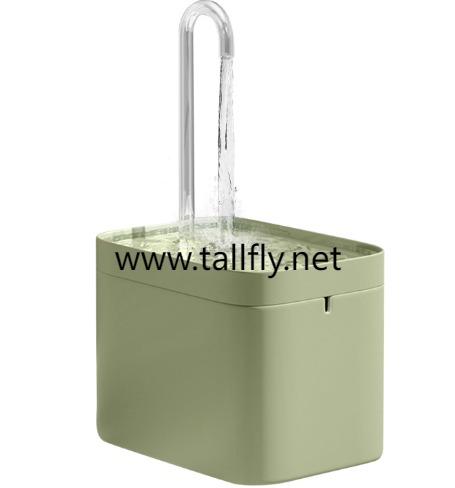
Hydration devices for household animals have evolved from simple bowls to sophisticated circulating systems that encourage drinking through movement and filtration. A Pet Water Fountain uses electric pumps to cycle liquid continuously, creating flowing streams or bubbling surfaces that attract animals naturally drawn to fresh, moving water sources. When these devices suddenly produce excessive noise, identifying and resolving the underlying cause restores peaceful operation and ensures continued proper function.
Low water levels represent the primary culprit behind increased fountain noise. Pumps designed to operate while fully submerged begin drawing air when liquid drops below minimum thresholds. This air intake creates gurgling, sputtering sounds as the motor struggles to maintain flow without adequate fluid. Checking the reservoir and refilling to recommended levels often immediately resolves noise issues. Establishing regular monitoring schedules prevents recurrence by maintaining appropriate water volume consistently.
Pump positioning affects operational sound levels significantly. Components that shift from their intended locations may no longer sit flush against basin surfaces or may contact walls at angles that amplify vibration. Repositioning the pump assembly according to manufacturer guidance eliminates rattling caused by improper placement. Ensuring suction cups or stabilizing feet make firm contact with basin surfaces reduces movement that generates noise during operation.
Mineral buildup accumulates over time on pump components, impellers, and intake areas. Hard water deposits create rough surfaces that disrupt smooth operation, causing pumps to work harder and generate additional noise. Regular cleaning removes these accumulations, restoring quiet function. Disassembling pump units according to provided instructions allows thorough cleaning of internal components where buildup concentrates. Soaking parts in diluted vinegar solutions helps dissolve stubborn mineral deposits effectively.
Filter saturation changes water flow patterns and forces pumps to work against increased resistance. Clogged filters restrict circulation, causing motors to strain and produce louder operational sounds. Replacing filters according to recommended schedules maintains proper flow rates and quiet operation. Some systems benefit from more frequent filter changes depending on water quality and usage levels. Observing flow strength provides insight into when filters need attention before noise issues develop.
Debris lodged in pump mechanisms creates irregular operation and increased sound. Pet hair, food particles, or other foreign material can enter systems despite protective measures. Inspecting intake areas and impeller chambers for obstructions resolves noise caused by interference with normal pump function. Regular maintenance that includes checking for debris prevents accumulation that leads to both noise and potential motor damage.
Worn pump components eventually require replacement to maintain quiet operation. Impellers develop rough edges or loose fittings through extended use, creating vibration and noise as they spin. Motor bearings wear down over time, producing grinding or humming sounds that increase gradually. Recognizing when noise stems from component wear rather than maintenance issues helps determine whether cleaning suffices or replacement becomes necessary.
Air pockets trapped within pump housings create intermittent noise as they move through the system. These pockets form during initial setup or after cleaning when components are reassembled. Running pumps while gently tilting or tapping housings helps dislodge trapped air, allowing it to escape and restoring smooth, quiet operation. This simple technique often resolves mysterious noises that appear after maintenance sessions.
Basin placement on uneven surfaces creates vibration that amplifies operational sounds. Ensuring fountains sit on level, stable platforms reduces noise transmission through contact surfaces. Placing thin rubber mats beneath units dampens vibration further, preventing sound from traveling through floors or furniture. These environmental adjustments complement mechanical maintenance for comprehensive noise reduction.
Temperature affects water viscosity and pump performance. Very cold water increases resistance, forcing pumps to work harder and potentially generate more noise. Allowing water to reach room temperature before adding it to fountains prevents this issue. Similarly, operating units in temperature controlled environments maintains consistent performance characteristics.
Understanding common noise sources and their remedies empowers owners to maintain quiet, efficient hydration systems that encourage healthy drinking habits. Regular maintenance combined with prompt troubleshooting preserves peaceful household environments while ensuring animals have access to appealing, fresh water. For hydration solutions designed with quiet operation and easy maintenance in mind, visit https://www.tallfly.net/product/ to view options that combine functionality with user friendly care requirements.

 English
 Polski
 Arabic
 French
 Spanish
 Portuguese
 Deutsch
 Turkish
 Italiano
 Russian
 Romaian
 Portuguese (Brazil)
 Greek
Greek