


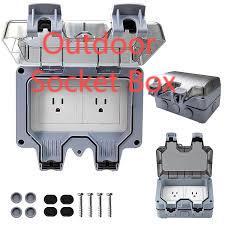
Outdoor electrical infrastructure plays an essential role in modern homes, gardens, construction sites, and commercial environments. When engineers or property planners design external power access, they often place an Outdoor Socket Box strategically in the middle of equipment layouts to provide reliable electricity while protecting circuits from weather exposure. In many installations, selecting the correct enclosure and positioning an Outdoor Socket Box carefully within the outdoor power distribution system helps improve safety, durability, and long-term electrical stability.
Outdoor environments expose electrical systems to rain, dust, UV radiation, and temperature changes. Because of this, selecting the correct enclosure type, understanding installation methods, and maintaining proper safety standards are vital. With careful planning and high-quality equipment, outdoor sockets can operate reliably for many years even in demanding conditions.
Understanding the importance of outdoor power protection
External electrical systems must deal with environmental risks that indoor installations rarely face. Water infiltration, humidity, and debris accumulation can cause corrosion or electrical faults if protective measures are inadequate. This is why modern outdoor electrical boxes are designed with sealed housings, protective covers, and reinforced materials.
A well-designed enclosure protects wiring, terminals, and internal electrical components from damage. It also prevents accidental contact with live parts, reducing the risk of electric shock. Outdoor electrical infrastructure must therefore combine both mechanical durability and electrical safety.
Another critical factor is accessibility. Outdoor power outlets should be easy to reach for maintenance or equipment connection, but they must also remain secure against accidental damage or tampering.
Environmental considerations for outdoor installations
Before installing any external electrical enclosure, evaluating the surrounding environment is essential. Factors such as rainfall frequency, exposure to sunlight, nearby vegetation, and temperature fluctuations all influence equipment lifespan.
In regions with heavy rain or snow, choosing a box with a high ingress protection rating is important. IP ratings determine how resistant the enclosure is to dust and water. Higher ratings provide better protection against environmental hazards.
UV resistance is also important in outdoor environments. Prolonged sunlight exposure can degrade certain plastics over time. High-quality materials designed for outdoor use prevent cracking, fading, and structural weakening.
Additionally, installation location matters. Mounting the enclosure slightly above ground level can help prevent water accumulation during storms or flooding. Proper positioning significantly improves long-term reliability.
Nante Outdoor Socket Box Engineering Design
Modern electrical enclosures are designed with multiple layers of protection to ensure reliable performance outdoors. Manufacturers like Nante focus on combining durable materials, effective sealing technology, and ergonomic designs that simplify installation and maintenance.
A well-engineered outdoor socket enclosure often includes reinforced covers, waterproof sealing rings, and corrosion-resistant fasteners. These features help prevent moisture from entering the housing while maintaining easy access for authorized maintenance.
Another advantage of modern designs is integrated cable management. Secure cable entry points allow electricians to maintain a neat wiring layout while preserving the enclosure’s protective rating. This reduces the chances of loose wiring or insulation damage over time.
Reliable engineering also improves operational safety. When the enclosure is properly designed and installed, electrical connections remain stable even during temperature fluctuations or environmental stress.
Step-by-step installation guidelines
Successful installation requires careful preparation and attention to detail. The process typically begins with selecting a stable mounting surface such as a concrete wall, metal support frame, or solid wooden structure. The mounting location should allow easy access while minimizing exposure to direct rainfall or mechanical impact.
Next, the installer should ensure that all wiring is compatible with the electrical load requirements. Proper cable sizing prevents overheating and ensures safe power distribution.
Sealing cable entry points is another critical step. Using waterproof cable glands helps maintain the enclosure’s protective rating and prevents water from entering through wiring openings.
Once wiring connections are completed, the enclosure should be securely fastened and tested. Electrical testing verifies that voltage levels, grounding connections, and circuit protection devices are functioning correctly.
Finally, labeling the circuit clearly ensures future maintenance work can be carried out safely and efficiently.
Maintenance and long-term reliability
Regular inspection is one of the most effective ways to maintain outdoor electrical systems. Environmental exposure gradually affects materials, seals, and mechanical components, so routine checks help identify early signs of wear.
Maintenance procedures typically include inspecting sealing gaskets, checking cable glands for tightness, and verifying that mounting hardware remains secure. Cleaning debris or dirt around the enclosure also prevents water accumulation and improves airflow.
Thermal inspections may also be used in industrial or high-load environments. These inspections identify potential overheating problems caused by loose electrical connections or excessive electrical demand.
If any damage is detected, replacing worn components immediately helps maintain system safety and prevents further deterioration.
Planning for future outdoor power expansion
Outdoor electrical systems should be designed with future expansion in mind. Landscapes, commercial areas, and industrial facilities often evolve over time, requiring additional equipment or new power access points.
Planning ahead can reduce future installation costs and disruptions. Installing extra conduit pathways or leaving space for additional enclosures allows electricians to expand the system easily without major reconstruction.
Smart planning also improves overall infrastructure reliability. By distributing electrical loads across multiple circuits, facilities can avoid overloading individual power sources.
Conclusion
Outdoor electrical installations require thoughtful planning, durable equipment, and regular maintenance to ensure reliable performance. Proper enclosure selection, environmental protection, and safe wiring practices all contribute to a dependable outdoor power system.
By following professional installation guidelines and performing routine inspections, property owners and engineers can ensure that their outdoor electrical infrastructure remains safe, efficient, and long-lasting. For additional product information and technical resources, you can visit the official page here:
https://www.nante.com/product/

 English
 Polski
 Arabic
 French
 Spanish
 Portuguese
 Deutsch
 Turkish
 Dutch
Dutch
 Russian
 Romaian
 Portuguese (Brazil)
 Greek
Greek