


In today’s digital-first world, businesses must protect users without adding friction to the customer experience. Two of the most reliable technologies leading this transformation are face verification and voice-based authentication. Together, they create a strong biometric security layer that helps organizations prevent identity fraud, streamline onboarding, and deliver faster access to digital services.
For companies offering online services, fintech solutions, or KYC platforms, these technologies are no longer optional — they are becoming an industry standard.
What Is Face Verification?
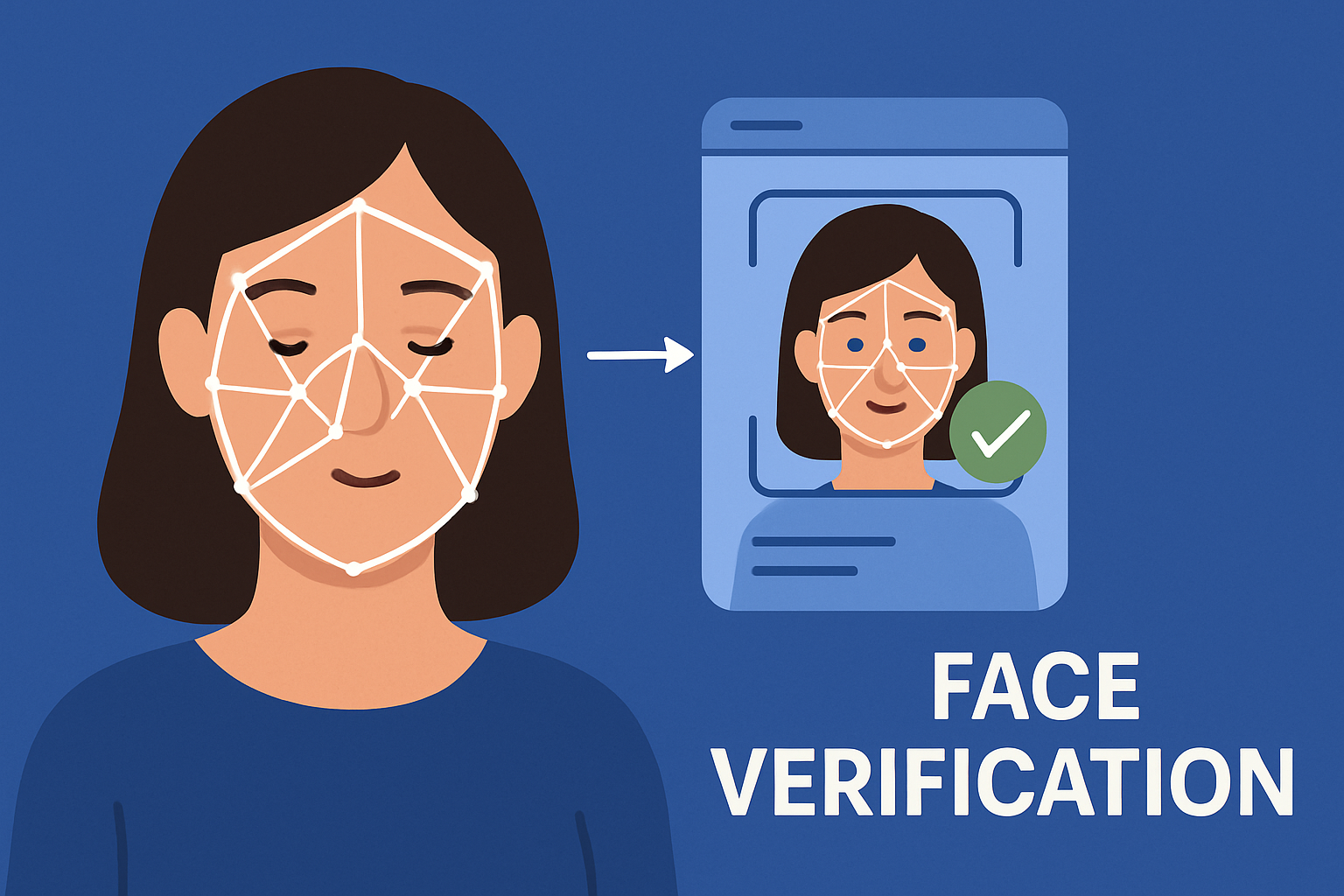
Face verification is a biometric process that confirms whether a person is the same individual shown in an official identity document or a previously stored profile. It uses AI-driven facial recognition algorithms to compare live facial images with trusted data.
Modern face verification systems are built in line with best practices recommended by global institutions such as National Institute of Standards and Technology, ensuring accuracy, performance, and fairness across diverse user groups.
Key benefits of face verification include:
-
Faster digital onboarding and KYC processes
-
High accuracy for identity matching
-
Reduced manual review and operational cost
-
Strong protection against impersonation attempts
With advanced liveness detection and AI models, face verification helps ensure that a real person is present during the authentication process.
What Is Voice-Based Authentication?
Voice-based authentication verifies users by analyzing unique voice patterns such as pitch, tone, rhythm, and speech behavior. Every person’s voice is different, making it a powerful biometric identifier.
Unlike traditional passwords or PINs, voice authentication allows users to confirm their identity simply by speaking, making it ideal for remote services, call centers, and mobile applications.
Main advantages of voice-based authentication:
-
Convenient hands-free user experience
-
Fast identity confirmation
-
Reduced dependency on passwords and OTPs
-
Seamless integration with customer support systems
Voice biometrics also help detect suspicious behavior by analyzing anomalies in speech signals, which improves overall fraud prevention.
Why Combine Face Verification and Voice Authentication?
Using both face and voice biometrics creates a multi-modal authentication framework. This approach significantly strengthens security while keeping the user journey simple.
Combined security advantages:
-
Higher resistance to spoofing and identity fraud
-
Improved confidence during digital KYC and onboarding
-
Better protection against deepfake and social engineering attacks
-
Stronger compliance with global digital identity standards published by bodies such as International Organization for Standardization
By validating two independent biometric traits, businesses can reduce false acceptance and improve trust in digital interactions.
Use Cases Across Industries
Face verification and voice based authentication are widely adopted across multiple sectors, including:
-
Digital banking and fintech platforms
-
Online identity verification services
-
Customer support and call center operations
-
Remote employee access and enterprise security
-
E-commerce and digital service providers
For organizations focused on building secure digital journeys, these technologies help balance strong security with user convenience.
How Face and Voice Biometrics Improve Customer Experience
From an end-user perspective, biometric authentication removes friction. There is no need to remember passwords, wait for OTPs, or complete lengthy verification forms. Face and voice recognition enable fast access while maintaining high assurance.
For businesses like yours that focus on digital identity verification and compliance solutions, integrating both face verification and voice-based authentication can significantly improve onboarding success rates and reduce drop-offs.
Final Thoughts
Face verification and voice-based authentication are shaping the future of digital identity. By combining AI-powered facial recognition with advanced voice biometrics, organizations can build secure, scalable, and user-friendly authentication systems.
As online fraud continues to evolve, adopting multi-biometric solutions is one of the most effective ways to stay ahead while delivering a smooth and trusted customer experience.

 Polski
 Arabic
 French
 Spanish
 Portuguese
 Deutsch
 Turkish
 Dutch
Dutch
 Italiano
 Russian
 Romaian
 Portuguese (Brazil)
 Greek
Greek