


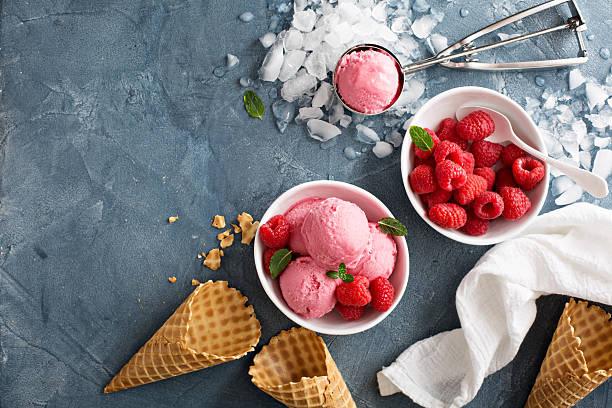
Consumer palates continually evolve, demanding increasingly sophisticated flavor experiences that transcend traditional vanilla, chocolate, and strawberry offerings. This flavor adventurousness creates tremendous opportunities for manufacturers willing to invest in creative development programs. Global influences, culinary trends, and nostalgia-driven concepts all contribute to the expanding flavor landscape reshaping frozen dessert categories worldwide.
Natural flavor compounds extracted from botanical sources increasingly replace artificial flavoring agents as consumers scrutinize ingredient labels more carefully. Vanilla bean extracts, cocoa powders, fruit purees, and essential oils deliver authentic taste profiles that resonate with quality-conscious buyers. However, natural flavors often present stability challenges, requiring protective measures against oxidation, light exposure, and temperature fluctuations during processing and storage.
Exotic flavor combinations reflecting global cuisine trends have moved from premium artisanal brands to mainstream offerings. Matcha green tea, black sesame, ube, and cardamom exemplify ingredients once considered niche that now appear across diverse product portfolios. These internationally inspired flavors appeal particularly to younger demographics seeking novel experiences and social media-worthy indulgences.
Strategic flavor innovation requires understanding ingredient interactions that can enhance or diminish desired taste profiles. Fats carry flavor compounds effectively, while sugars can mask subtle notes. Acids brighten fruit flavors but may destabilize protein-based formulations. Successful development teams balance these complex relationships to achieve optimal sensory results.
Inclusion ingredients like cookie pieces, candy chunks, and swirls add textural variety and visual appeal that enhance overall consumption experiences. These components must withstand freezing temperatures without becoming too hard while maintaining structural integrity throughout distribution chains. Specialized coatings and moisture barriers protect inclusions from undesirable softening or hardening.
Artificial intelligence transforms flavor development through predictive modeling of consumer preferences and trend forecasting. Natural language processing analyzes social media conversations, review platforms, and search patterns to identify emerging flavor interests before they reach mainstream awareness. This forward-looking intelligence enables proactive rather than reactive product development strategies.
FAQ 1: How do natural flavors compare cost-wise to artificial versions? Natural flavors typically cost significantly more due to extraction processes and lower concentration levels, though consumer preference increasingly justifies the premium investment.
FAQ 2: What drives flavor trend adoption in frozen desserts? Social media influence, culinary trend crossover, multicultural population growth, and consumer desire for novel experiences collectively drive flavor innovation adoption patterns.

 English
 Polski
 French
 Spanish
 Portuguese
 Deutsch
 Turkish
 Dutch
Dutch
 Italiano
 Russian
 Romaian
 Portuguese (Brazil)
 Greek
Greek