


Fallout 76 presents a different kind of post-apocalyptic experience, one that focuses less on lone heroes and more on shared survival. Set in a version of Appalachia untouched by previous Fallout protagonists, the game invites players to step into a world that is broken but not beyond repair. From the very beginning, the tone is clear: humanity may have fallen, but its story is not finished.
The open world is one of the most compelling aspects of Fallout 76. Appalachia feels vast and varied, with each region offering its own atmosphere and dangers. Quiet forests can suddenly turn hostile, while abandoned towns hide both valuable loot and deadly threats. Exploration is not just encouraged, it is essential. Players learn about the world through environmental details, listening to recordings, reading terminals, and observing the remains of pre-war life. This indirect storytelling gives the setting emotional weight and rewards curiosity.
Survival mechanics shape nearly every moment of gameplay. Players must manage resources carefully, keeping track of food, water, ammunition, and equipment condition. These systems create constant tension and force players to plan ahead. Combat is rarely trivial, especially in the early hours, and even experienced players must respect powerful enemies. This balance between danger and preparation makes success feel earned rather than guaranteed.
What truly sets Fallout 76 apart is its multiplayer foundation. The wasteland is shared with other real players, each following their own goals and stories. Sometimes these encounters are brief and silent, while other times they turn into spontaneous cooperation. Public events often draw groups together, creating moments of intense action and teamwork. These shared experiences transform the world into something more dynamic and unpredictable than a traditional single-player game.
Base building also plays a major role in shaping player identity. Using the C.A.M.P. system, players can create homes, workshops, or trading hubs almost anywhere on the map. These bases serve as safe zones and creative outlets, reflecting how each player chooses to survive. Over time, scattered player camps give the world a lived-in feeling, suggesting that civilization is slowly returning in small, personal ways.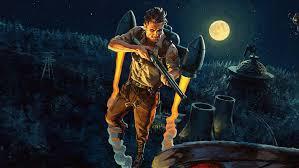
Narratively, Fallout 76 evolves over time. While early versions relied heavily on environmental storytelling, later updates introduced human characters, factions, and branching quests. These additions helped flesh out the world and gave players clearer motivations and choices. The sense that the game world is changing keeps long-term players engaged and curious about what comes next.
Fallout 76 Items is a game about persistence. It challenges players to face a harsh environment while offering tools to rebuild and connect. Through exploration, cooperation, and creativity, the wasteland becomes more than a symbol of destruction. It becomes a place where new stories can grow, shaped by the people brave enough to survive within it.

 English
 Polski
 Arabic
 French
 Spanish
 Deutsch
 Turkish
 Dutch
Dutch
 Italiano
 Russian
 Romaian
 Portuguese (Brazil)
 Greek
Greek