


Fallout 76 presents a post-apocalyptic world that feels both desolate and full of possibility. Set in a vast open landscape inspired by Appalachia, the game invites players to explore a region scarred by nuclear devastation yet rich with untold stories. Rather than focusing only on destruction, it emphasizes recovery, asking players to consider how civilization might rise again after everything has fallen apart.
Exploration is the foundation of the experience. The map is large and varied, filled with forests, mountains, mines, and abandoned settlements. Each area feels distinct, encouraging curiosity and careful observation. Storytelling is woven into the environment itself, with ruined buildings, scattered notes, and malfunctioning machines offering glimpses into the lives that once filled the region. This indirect approach to narrative makes discovery feel earned, allowing players to form their own understanding of the world’s history.
A major theme in Fallout 76 is rebuilding. Survival is only the first step; long-term progress comes from creation and cooperation. Players gather resources to craft weapons, armor, and supplies, but they also construct camps that act as homes and safe havens. These camps can be practical or creative, simple or elaborate, reflecting the personality of their builders. Seeing these player-made structures spread across the landscape adds a sense of growth, turning empty land into shared space.
The multiplayer design reshapes the emotional tone of the game. While the setting suggests isolation, encounters with other players often lead to cooperation rather than conflict. Public events, shared objectives, and spontaneous teamwork create moments of connection in an otherwise harsh world. These interactions feel meaningful because they emerge naturally, reminding players that survival is easier when people work together.
Character progression supports this sense of freedom. Players are not locked into fixed roles, allowing them to experiment and adapt over time. Different playstyles are viable, whether focusing on combat, exploration, or support. This flexibility mirrors the uncertainty of life in a ruined world, where adaptability is often the key to survival. Combat encounters range from quiet skirmishes to intense battles, keeping exploration tense and unpredictable.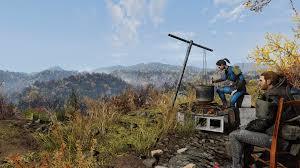
Over time, updates and expansions have added depth to the experience, introducing new characters, factions, and storylines. These additions help the world feel more alive, gradually shifting it from empty ruins toward something resembling a functioning society. The evolving nature of the game reinforces its central message: recovery is a process, not a single event.
Fallout 76 Items is a story about resilience. It shows a world that has been broken beyond recognition, yet still holds the potential for renewal. Through exploration, cooperation, and creativity, players are given the chance to shape what comes next. In the quiet moments between danger and discovery, the game asks a simple but powerful question: after the end of the world, what kind of future will you build?

 English
 Polski
 Arabic
 French
 Spanish
 Portuguese
 Deutsch
 Turkish
 Italiano
 Russian
 Romaian
 Portuguese (Brazil)
 Greek
Greek