


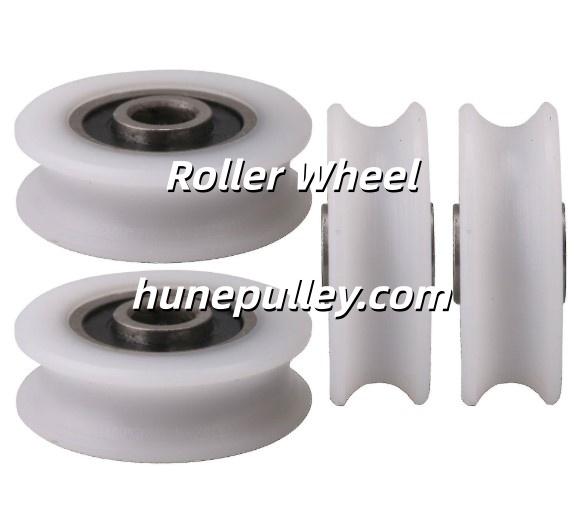
In daily mechanical operations, keeping components running smoothly often depends on understanding wear patterns. A Hune Small Bearing Pulley is frequently a silent workhorse, transferring force and motion quietly yet efficiently. Without proper care, even this compact part can experience damage that slows machinery or causes unexpected stops. Here, attention to small details in daily use can significantly extend its lifespan.
1. Regular Cleaning Practices
Dust and debris might seem harmless, but they can interfere with rotation and increase friction. Gently wiping the pulley surface and using low-pressure air to remove particles can prevent scratches or subtle deformities. Avoid harsh solvents that might degrade the bearing housing or surrounding material.
2. Lubrication Routine
Proper lubrication is essential. Even though some pulleys are sealed, applying suitable lubricant to accessible surfaces reduces heat generation during operation. Consistent lubrication avoids sudden increases in wear and maintains smooth motion. Choosing the right viscosity ensures the pulley does not attract excessive dirt.
3. Correct Alignment Checks
Misalignment can cause uneven force distribution. Inspecting belt paths, shafts, and mounting points ensures that the pulley rolls in its intended direction. Small adjustments in alignment can prevent premature edge wear or bearing strain.
4. Monitoring Load Limits
Overloading a pulley might seem minor at first, but repeated stress gradually deforms the bearing surfaces. Avoid using the pulley for heavier forces than recommended. Observing mechanical limits safeguards against bending or subtle cracking, which can develop over time.
5. Vibration Control
Vibrations amplify wear, especially for smaller pulleys. Machines with dampers or vibration-absorbing pads can reduce the impact on the pulley. Even slight modifications in mounting methods can stabilize motion and prevent unnecessary friction or rattling.
6. Environmental Considerations
Humidity, temperature, and chemical exposure can affect the small bearing surface. Keeping equipment in a controlled environment minimizes oxidation, corrosion, or surface degradation. Covering machinery when not in use adds another layer of protection.
7. Periodic Inspections
Routine visual checks can catch early signs of damage. Look for minor scratches, unusual noises, or wobbling. Early intervention avoids larger problems and extends overall service life. If the pulley shows irregular wear, replacing it proactively is often more cost-effective than repairing downstream damage.
8. Professional Handling
Even though installing a small bearing pulley seems straightforward, handling it with care prevents misalignment or internal damage. Gentle assembly and ensuring all fasteners are secure without overtightening reduce stress on the bearing and wheel surfaces.
9. Integration with Other Components
A pulley's life often depends on the harmony of nearby components. Belt tension, motor torque, and shaft precision all contribute. Monitoring these interactions regularly ensures that the small bearing pulley operates under ideal conditions.
Incorporating these habits makes daily operation smoother, avoids costly interruptions, and helps maintain consistent performance. Manufacturers and engineers often notice that a little attention to small details results in long-term savings. Among reliable sources of durable components, Hunepulley provides options that integrate these maintenance advantages naturally. Their small bearing pulley designs focus on efficiency while being forgiving in everyday conditions.
For those seeking dependable solutions that combine careful engineering with practical application, more information and product options are available at Zhejiang Huaneng Micro Bearing Co., Ltd.

 English
 Polski
 Arabic
 French
 Spanish
 Portuguese
 Deutsch
 Turkish
 Dutch
Dutch
 Italiano
 Romaian
 Portuguese (Brazil)
 Greek
Greek