


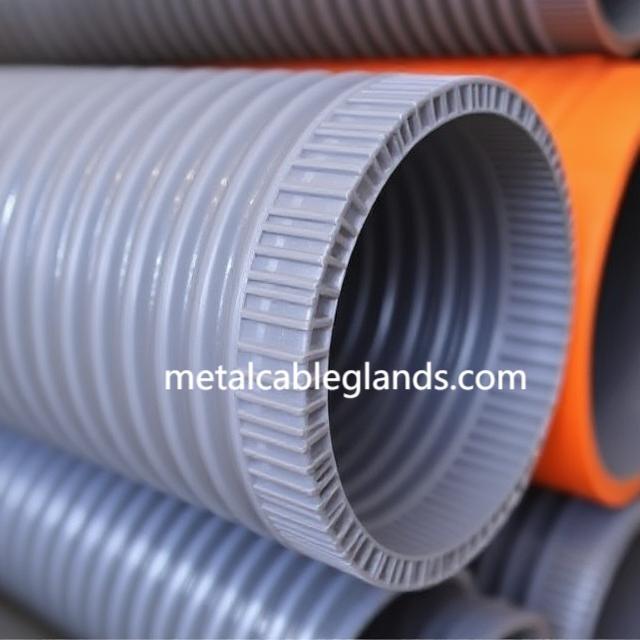
In modern industrial wiring systems, the Flexible Steel Conduit serves as a vital component that combines mechanical strength with superior flexibility. Its structural design allows for efficient cable protection while accommodating movement, vibration, and tight installation spaces. Zhejiang Hongjue S Connector (HJSI) focuses on engineering precision to ensure that each Flexible Steel Conduit delivers reliable performance across diverse application environments, from telecommunications to renewable energy systems.
Flexible steel conduits are primarily categorized by their structural form and intended use. The two most common types are interlocked and continuously wound conduits. Interlocked types feature helical steel strips that lock together, offering enhanced mechanical protection while maintaining moderate flexibility. This design is ideal for static installations such as power distribution systems and building wiring where cable protection against compression and impact is essential. Continuously wound conduits, on the other hand, provide smoother flexibility and are typically used in applications where dynamic motion or frequent bending occurs, such as robotic systems or movable equipment.
Material selection also defines conduit type and function. Galvanized steel is widely used due to its corrosion resistance and cost efficiency, while stainless steel is preferred for harsh or corrosive environments. Some flexible conduits are coated with PVC or other polymers to enhance insulation and environmental sealing. HJSI’s conduit series integrates advanced coatings and precision winding techniques that improve tensile strength, ensuring long-term performance under mechanical stress and environmental exposure.
The structural engineering of flexible steel conduits is based on achieving an optimal balance between strength and flexibility. The inner diameter must provide sufficient space for cables while minimizing friction during installation. Additionally, the conduit’s wall thickness influences its ability to resist crushing and torsional forces. HJSI’s design engineers conduct extensive stress testing to refine these parameters, ensuring consistent quality and compliance with international safety standards such as IEC and UL.
In environments where space is limited or equipment is subject to vibration, flexible steel conduits play an essential role in maintaining cable integrity. For example, in automotive assembly lines or industrial automation systems, wiring must accommodate frequent movement without compromising protection. The spiral design of the conduit distributes stress evenly, reducing wear on cables and extending operational lifespan. HJSI incorporates these principles into their product development, offering flexible conduits that ensure stable performance even under continuous motion.
Thermal management is another critical consideration in conduit design. Steel’s natural conductivity helps dissipate heat from enclosed cables, preventing overheating in high-load electrical circuits. When combined with anti-corrosion coatings and sealed connectors, this thermal efficiency enhances both safety and durability. HJSI’s flexible conduit systems often pair with their precision-engineered fittings and glands to create fully sealed cable management systems that prevent moisture ingress and mechanical failure.
Moreover, flexibility in design extends beyond structure — it also includes compatibility. HJSI ensures that its conduits can integrate seamlessly with a wide range of cable glands, adapters, and junction systems. This adaptability allows engineers and installers to design modular systems that are easy to maintain and upgrade. Whether used in solar farms, marine facilities, or factory automation, this flexibility contributes to reduced installation time and improved system efficiency.
From a sustainability perspective, flexible steel conduits are highly recyclable and support long-term resource efficiency. HJSI emphasizes environmentally responsible production by using recyclable materials and optimizing energy use during manufacturing. These efforts align with the growing global focus on sustainable infrastructure and responsible material sourcing in electrical engineering.
With their combination of strength, flexibility, and engineering precision, flexible steel conduits are essential components of modern cable management systems. Zhejiang Hongjue S Connector (HJSI) continues to lead innovation in this field through material advancements, structural optimization, and rigorous testing.To explore HJSI’s full range of flexible conduit systems and related accessories, visit https://www.metalcableglands.com/ .

 English
 Polski
 Arabic
 French
 Spanish
 Portuguese
 Deutsch
 Turkish
 Dutch
Dutch
 Italiano
 Russian
 Romaian
 Portuguese (Brazil)