


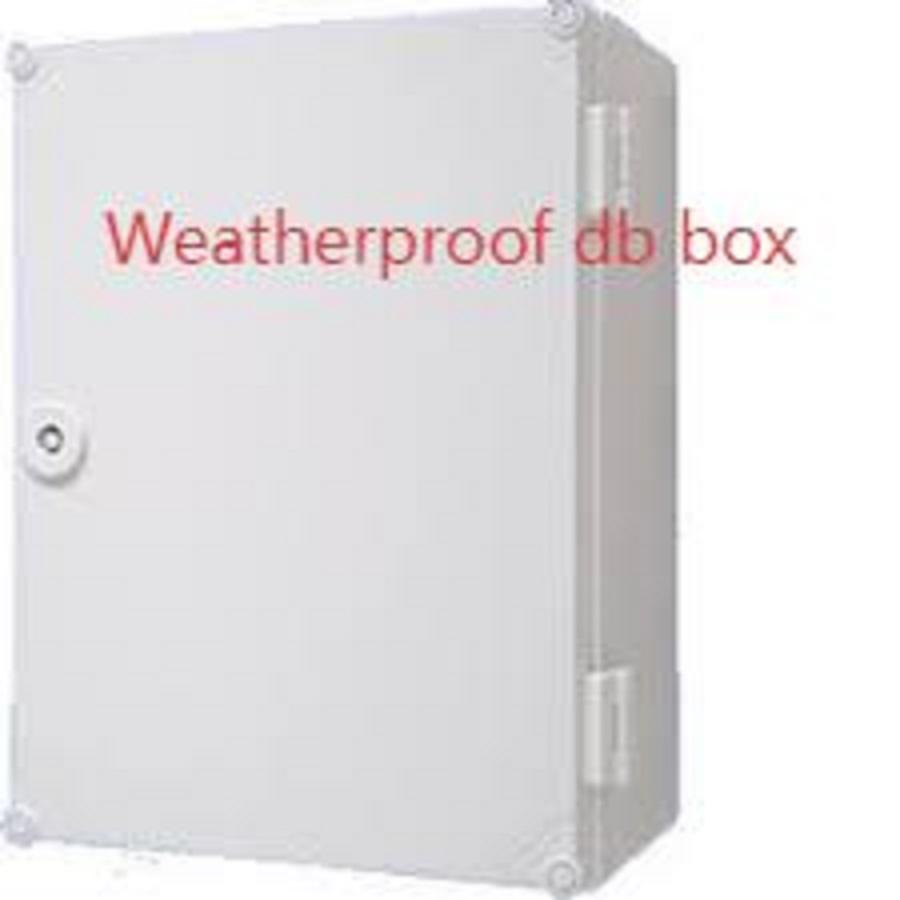
Outdoor electrical systems face constant exposure to moisture, dust, and temperature swings, so selecting the right Weatherproof db box in early design phases prevents costly failures, and choosing a properly specified Weatherproof db box reduces maintenance, improves safety, and simplifies future expansions. Careful selection considers ingress protection ratings, material resilience, mounting options, and thermal management to ensure enclosures perform reliably across many seasons and environments.
Modern Demands on Exterior Enclosures
Today’s external installations support more than lighting: communications gear, sensors, EV chargers, and remote control cabinets all require protected housing. Enclosures must accept multiple cable entries, allow for easy conduit connection, and provide space for surge protection or small distribution modules. Planners should review load profiles and accessory needs in advance to avoid field modifications that compromise seals or thermal balance. Thoughtful upfront design reduces interruptions and speeds commissioning.
Materials, Sealing, and Corrosion Resistance
Material choice dramatically affects service life. UV-stabilized plastics resist sunlight degradation, while powder-coated aluminum and stainless steel provide structural strength and corrosion resistance in coastal or industrial environments. Gaskets and captive fasteners preserve sealing integrity—choose continuous gaskets with compression-rated profiles rather than simple foam strips. Consider anti-condensation measures such as breathable membranes or desiccant packets for humid climates to limit internal moisture accumulation and extend component longevity.
Nante Installation Tips
Selecting installer-friendly features saves labor and reduces error rates. Pre-punched knockouts, removable gland plates, and internal mounting rails let technicians route cables cleanly and secure equipment without excessive cutting. Tool-free latches and hinge systems improve access while retaining weatherproof performance. Clear labeling zones inside the box for circuits and cable routing simplify maintenance and help less-experienced staff identify critical components quickly during service calls.
Thermal Management and Component Layout
Heat buildup shortens electronic life and increases failure risk. Passive strategies—such as properly sized vents, thermal break plates, or conductive mounting surfaces—help disperse heat without compromising ingress protection. For higher dissipation loads, consider finned heat sinks or compact fans with filtered intakes. Internal layout matters: keep power electronics separated from communications gear, and place heat-producing devices lower in the box to encourage natural convection. Planning cable pathways away from hot components improves longevity.
Inspection, Maintenance, and Field Upgrades
Routine inspection extends service life and prevents surprises. Check seals and visible fasteners annually, and verify that cable glands maintain compression after thermal cycles. Look for signs of water ingress, corrosion, or discoloration around terminations—early intervention avoids shorts. When upgrading equipment, use compatible accessory kits to preserve IP ratings rather than improvising penetrations. Keep spare gaskets and standardized fasteners on-hand for quick repairs during scheduled maintenance windows.
Choosing a weatherproof enclosure that aligns with environmental conditions, expected loads, and service practices creates lasting value in outdoor electrical installations. Prioritize certified IP or NEMA ratings appropriate to exposure, installer-friendly features that reduce labor, and materials suited to local corrosion and UV challenges. For product lines, accessory options, and technical documentation, visit www.nante.com

 English
 Polski
 Arabic
 French
 Spanish
 Portuguese
 Deutsch
 Turkish
 Dutch
Dutch
 Russian
 Romaian
 Portuguese (Brazil)
 Greek
Greek