


The action-packed world of Hero Siege continues to stand out as a unique blend of intensity, randomness, and long-term progression. As an experience rooted in the roguelike tradition, it constantly pushes players into unpredictable situations where survival depends on quick thinking, adaptability, and mastery of game mechanics. Unlike more linear action RPGs, Hero Siege thrives on repetition with variation, ensuring that every run feels like a new challenge rather than a repeated pattern.
At the heart of the game is its roguelike structure, which defines both its difficulty and its appeal. Each time a player enters the world, they are faced with procedurally generated maps, randomized enemy placements, and shifting combat scenarios. This unpredictability forces players to remain alert and flexible. Success is never guaranteed, even for experienced players, because every session introduces new combinations of threats and opportunities. This design encourages experimentation, as players must constantly adjust their strategies based on what the game provides.
Another key element that shapes the experience is the loot system. Items drop frequently throughout gameplay, but their true value depends on timing, synergy, and character build. A powerful weapon or rare artifact can completely transform a run, turning a difficult situation into a manageable one or vice versa. This creates a strong sense of excitement with every enemy defeated, as players never know when a game-changing item might appear. The loot system also rewards knowledge, since understanding how different items interact with character abilities is essential for maximizing effectiveness.
Character diversity further enhances the depth of Hero Siege. The game features multiple classes, each with distinct abilities, strengths, and weaknesses. Some classes focus on close-range combat, delivering heavy damage but requiring careful positioning. Others rely on ranged attacks or magical abilities, offering safer but more strategic gameplay. This variety ensures that players can explore different playstyles, keeping the experience fresh even after many hours of play. As players progress, skill trees and upgrades allow for further customization, enabling highly specialized builds tailored to individual preferences.
The difficulty curve in Hero Siege is intentionally steep, designed to challenge players rather than guide them. Early failures are common, but they serve as learning experiences that gradually improve player skill. Over time, players begin to recognize enemy patterns, optimize movement, and build more effective strategies. This sense of progression is not just tied to in-game stats but also to the player’s own growing understanding of the mechanics.
Multiplayer gameplay adds another layer of depth to the experience. When playing with others, coordination becomes essential, especially as enemies scale in strength. Team compositions can create powerful synergies, allowing players to combine abilities for maximum efficiency. However, teamwork also introduces complexity, as communication and positioning become critical to survival.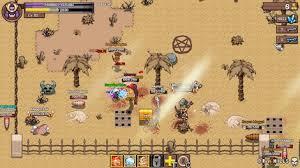
Visually, Hero Siege uses a pixel-art style that enhances readability during chaotic combat scenarios. Despite its simple appearance, the game manages to deliver intense and visually engaging battles filled with effects, enemies, and loot drops. Combined with its fast-paced combat and atmospheric design, it creates an experience that is both accessible and deeply challenging.
Hero Siege gold stands as a compelling example of how the roguelike genre can be combined with action RPG mechanics to create something both chaotic and rewarding. Its reliance on randomness, deep customization, and challenging gameplay ensures that no two adventures are ever the same, keeping players engaged over the long term.

 English
 Polski
 Arabic
 French
 Spanish
 Portuguese
 Turkish
 Dutch
Dutch
 Italiano
 Russian
 Romaian
 Portuguese (Brazil)
 Greek
Greek