


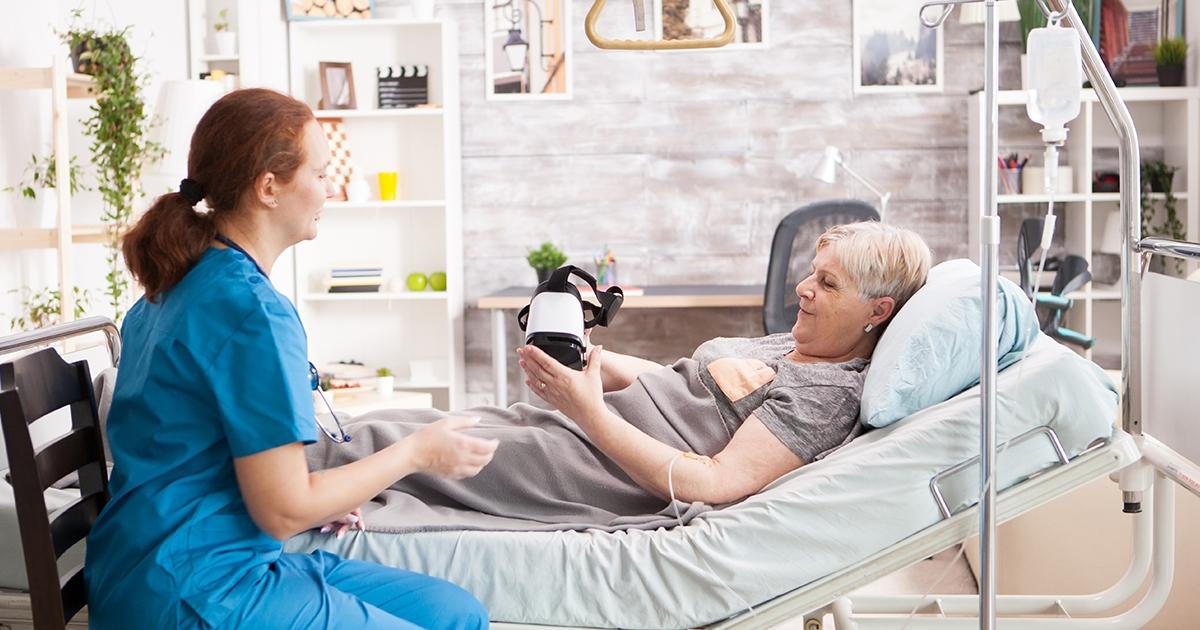
Post operative care at home has become an essential part of modern healthcare, allowing patients to recover in a familiar and comfortable environment while still receiving structured medical attention. With early hospital discharge becoming more common, families are now responsible for ensuring safety, hygiene, and proper recovery tracking. In many cases, support from a Doctor at Home service can further strengthen recovery outcomes by providing timely medical supervision without repeated hospital visits. Among all aspects of home recovery, monitoring plays the most critical role because it helps detect complications early, ensures treatment adherence, and provides reassurance to both patients and caregivers.
Understanding Monitoring in Post-Surgical Care at Home:
Monitoring in post-surgical care at home refers to the continuous observation of a patient’s physical, emotional, and clinical condition after surgery to ensure proper healing and prevent complications. It involves tracking vital signs, wound condition, pain levels, and overall recovery progress. Families must understand that monitoring is not a one-time task but an ongoing responsibility throughout the recovery period. Effective monitoring includes:
- Regular checking of temperature, pulse, and blood pressure
- Observing surgical wounds for redness, swelling, or discharge
- Tracking medication schedules and patient response
- Noting changes in appetite, sleep, or mobility
A structured monitoring routine helps families maintain control over recovery and ensures that any abnormalities are addressed quickly.
Why Continuous Monitoring Matters for Recovery:
Continuous monitoring is essential because post-surgical complications often develop gradually and may not be immediately noticeable without careful observation. Early detection significantly reduces the risk of infections, blood clots, or delayed healing. It also helps doctors adjust treatment plans based on real-time recovery data. The importance of consistent monitoring includes:
- Early identification of infections before they worsen
- Prevention of medication errors or missed doses
- Improved pain management through timely adjustments
- Reduced likelihood of hospital readmission
Without continuous monitoring, minor issues can escalate into serious health concerns, making recovery longer and more difficult.
Key Vital Signs Families Should Track:
Tracking vital signs is one of the most important parts of home recovery monitoring, as these indicators provide direct insight into a patient’s internal condition. Families do not need advanced medical training but should learn basic measurements and understand what is normal for the patient. Key vital signs include:
- Body temperature to detect fever or infection
- Blood pressure to monitor cardiovascular stability
- Pulse rate to assess heart function and stress levels
- Oxygen saturation levels, especially after major surgery
Consistent recording of these signs helps create a recovery pattern, making it easier for healthcare professionals to evaluate progress and intervene when necessary.
Role of Family Members in Effective Monitoring:
Family members are the primary caregivers during post-surgical recovery at home, and their role in monitoring is crucial for ensuring patient safety and comfort. Their involvement not only supports physical recovery but also provides emotional reassurance to the patient. Effective family participation includes:
- Maintaining a daily log of symptoms and vital signs
- Ensuring medications are taken exactly as prescribed
- Assisting with mobility and physical therapy exercises
- Keeping communication open with healthcare providers
In some cases, families also rely on a Doctor at Home service to guide them in interpreting symptoms and adjusting care plans. Active involvement ensures that recovery remains stable and well-managed.
Technology and Remote Support in Home Monitoring:
Modern technology has significantly improved the quality of post-surgical monitoring at home by enabling real-time tracking and remote medical support. Patients and families can now use digital tools to stay connected with healthcare providers and monitor health conditions more efficiently. Useful technologies include:
- Digital blood pressure monitors and smart thermometers
- Mobile apps for medication reminders and symptom tracking
- Wearable devices that track heart rate and oxygen levels
- Video consultations with healthcare professionals
These tools enhance accuracy, reduce human error, and provide peace of mind by ensuring continuous oversight even when medical staff are not physically present.
Warning Signs That Require Immediate Attention:
Despite careful monitoring, certain warning signs should never be ignored, as they may indicate serious complications that require urgent medical intervention. Families must be vigilant and prepared to act quickly when necessary. Critical warning signs include:
- Persistent high fever or sudden temperature spikes
- Excessive bleeding or pus from surgical wounds
- Severe or worsening pain that does not respond to medication
- Sudden shortness of breath or chest discomfort
In such cases, contacting a healthcare provider or arranging immediate medical support, including a Doctor at Home visit if needed, can prevent life-threatening complications and ensure timely treatment.
Improving Recovery Outcomes Through Consistent Observation:
Consistent observation is the foundation of successful post-surgical recovery at home, as it ensures that small changes in the patient’s condition are detected early and managed effectively. Regular monitoring builds a clearer understanding of recovery patterns and helps healthcare providers make informed decisions. Benefits of consistent observation include:
- Faster identification and treatment of complications
- Better communication between families and doctors
- Improved confidence in home-based recovery care
- Reduced stress for both patients and caregivers
When monitoring becomes a routine part of daily care, recovery becomes more predictable, stable, and safer.
Final Thoughts.
Monitoring is one of the most powerful tools in ensuring safe and effective post-surgical recovery at home. It empowers families to take an active role in care while supporting medical professionals in delivering accurate and timely treatment. By combining structured observation, proper use of technology, and occasional professional support when needed, patients can recover more smoothly and with fewer complications. A disciplined approach to monitoring transforms home recovery into a well-managed healing process that prioritizes safety, comfort, and long-term well-being.

 Polski
 Arabic
 French
 Spanish
 Portuguese
 Deutsch
 Turkish
 Dutch
Dutch
 Italiano
 Russian
 Romaian
 Portuguese (Brazil)
 Greek
Greek