


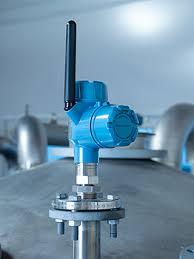
The Level Transmitter Market is categorized by various technologies and applications, each serving a unique purpose in the industrial chain. From hydrostatic and magnetic to ultrasonic and radar, the choice of technology depends heavily on the physical properties of the substance being measured. For example, magnetic level transmitters are often favored for high-pressure and high-temperature applications where a clear visual indication is also needed. On the other hand, ultrasonic transmitters are perfect for open-channel flow measurement in water treatment facilities because they are cost-effective and easy to maintain. Understanding the Level Transmitter Market segment breakdowns allows companies to identify which specific technologies are gaining traction in certain sectors. This segmentation also extends to the type of output, with a growing preference for digital protocols like HART, Foundation Fieldbus, and Profibus over traditional 4-20mA analog signals.
In addition to technology, the market is also segmented by end-user industries. The pharmaceutical industry requires sanitary-grade level transmitters that can withstand "Clean-in-Place" (CIP) processes without losing accuracy or contaminating the product. Meanwhile, the power generation industry relies on these sensors to monitor boiler drum levels, where extreme pressure and steam can make measurement incredibly difficult. As the market matures, we are seeing more specialized sensors being developed for niche applications, such as measuring the level of liquefied gases at extremely low temperatures. This level of specialization ensures that no matter how difficult the measurement environment, there is a level transmitter designed to handle the task with precision and reliability.
What is Guided Wave Radar (GWR) and when is it used? GWR uses a probe to guide a radar pulse to the liquid surface. It is used in applications with low dielectric constants, foam, or turbulence where non-contact radar might struggle.
How does the "Clean-in-Place" (CIP) process affect transmitter design? Transmitters used in CIP environments must be made of high-grade stainless steel and have a design that eliminates crevices where bacteria can grow, ensuring they can withstand hot acid or base washes.
➤➤➤Explore MRFR’s Related Ongoing Coverage In Semiconductor Industry:
Chemical Packaging And Labeling Services Market
Chronic Disease Management Services Market
Climate Risk And Resilience Consulting Services Market
Cloud Security Consulting Services Market
Compensation And Benefits Consulting Services Market
Construction Management And Planning Services Market
Consulting, Legal, And Management Services Market
Content Creation And Distribution Services Market
Contract Management And Drafting Services Market

 English
 Polski
 Arabic
 French
 Spanish
 Portuguese
 Deutsch
 Turkish
 Dutch
Dutch
 Italiano
 Russian
 Romaian
 Portuguese (Brazil)