


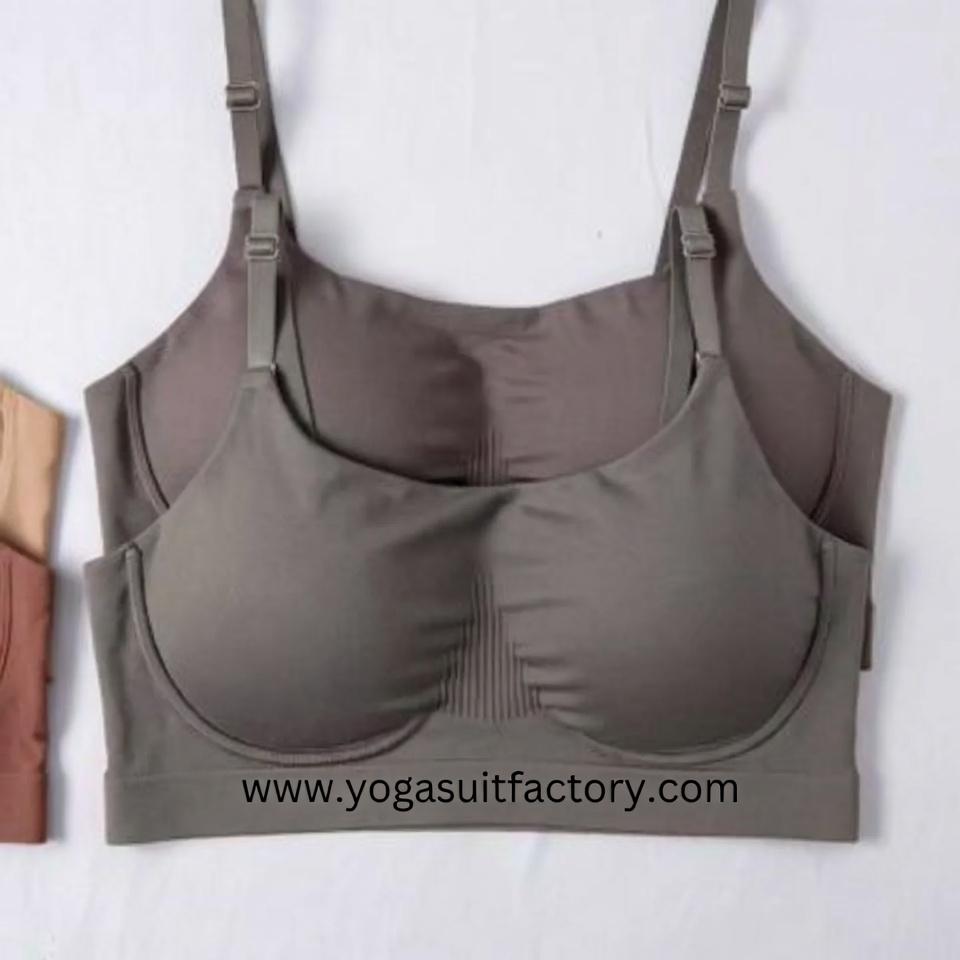
Different physical activities place varying demands on clothing, requiring specific features for effective performance and comfort. Seamless Workout Sets designed for one exercise type may underperform in another context, making activity-specific selection important for those serious about their training. Understanding which characteristics matter for particular workout styles enables informed purchasing that matches garment capabilities to actual usage rather than relying on generic athletic wear marketing.
Yoga and flexibility training prioritize unrestricted movement through extreme ranges of motion. Garments for these practices require substantial multidirectional stretch that yields to deep lunges, wide-legged poses, and full spinal flexion without resistance or restriction. High elastane content ensures fabrics extend sufficiently then recover to original shapes repeatedly. Coverage security matters during inversions and forward folds where gravity pulls fabric downward, making high-waisted bottoms with wide bands essential. Compression should remain moderate, providing gentle support without restricting the deep breathing fundamental to yoga practice. Seamless construction prevents chafing during floor work and seated poses where bodies contact mats through clothing.
Running and cardio activities demand moisture management and chafe prevention as primary concerns. High-repetition movements create substantial friction between fabric and skin, making seamless construction particularly valuable for eliminating irritation points. Lightweight, quick-drying materials prevent garments from becoming heavy and clingy as perspiration accumulates. Compression levels should support muscles without restricting natural running gait or breathing capacity. Reflective elements enhance safety for outdoor running in low-light conditions. Pockets for carrying essentials like keys or cards add practical value since cardio sessions often occur away from storage areas.
Strength training and weightlifting require durability and stability rather than maximum stretch. Fabrics must withstand contact with equipment, floor exercises, and the general wear of gym environments without pilling or snagging. Moderate compression supports muscles during lifts without excessive restriction that limits power output. Bottoms should stay positioned during squats and deadlifts without requiring constant adjustment. Tops need adequate coverage during bench press and overhead movements. Breathability matters less than during cardio since strength training generates less sustained heat despite intense exertion during sets.
High-intensity interval training combines cardio bursts with strength movements, requiring garments balancing multiple priorities. Sets must manage moisture from cardio intervals while providing stability during explosive movements like burpees and jump squats. Compression should control bounce during jumping without restricting the full range movements that strength elements demand. Durability matters since varied exercises create diverse wear patterns. Quick transitions between movement types benefit from garments that perform adequately across all elements rather than excelling in one area while failing in others.
Cycling demands specific fit characteristics including longer tops that cover lower backs during forward-leaning positions and bottoms without inner leg seams that cause saddle discomfort. Padded shorts or chamois inserts prevent pressure points during extended riding. Rear pockets provide storage for nutrition and tools during outdoor rides. Tight fit reduces wind resistance and prevents fabric from catching in drivetrain components. Moisture management becomes critical during sustained effort, particularly in warm conditions.
Dance and barre workouts emphasize aesthetics alongside function since many practices occur in mirrored studios where appearance matters to practitioners. Fitted silhouettes that showcase body lines help instructors assess form and positioning. Moderate compression smooths without excessive restriction that limits the grace and flow these practices emphasize. Coverage security during leg lifts and floor work prevents distraction from wardrobe concerns. Seamless construction creates clean lines under fitted garments while preventing visible panty lines.
Pilates and low-impact movement classes benefit from comfortable, non-restrictive garments that allow focus on controlled precise movements. Excessive compression or rigid fabrics interfere with the subtle muscle engagement these practices develop. Seamless Workout Sets for pilates should feel barely present, fading from awareness to allow complete concentration on breath and alignment. Adequate stretch through all directions supports the varied positions without binding or pulling.
Cross-training and varied workout routines require versatile sets performing adequately across multiple activity types. Rather than optimizing for single activities, these garments balance competing priorities to avoid being unsuitable for any particular exercise. Moderate compression, good moisture management, adequate stretch, and durability create workhorses serving diverse training needs without excelling distinctly in any single area.
Understanding activity-specific requirements for Seamless Workout Sets enables strategic wardrobe building where garments actually suit their intended uses rather than forcing compromises that reduce training quality or comfort. Match your athletic wear selection to your actual training demands at https://www.yogasuitfactory.com/ .

 English
 Polski
 French
 Spanish
 Portuguese
 Deutsch
 Turkish
 Dutch
Dutch
 Italiano
 Russian
 Romaian
 Portuguese (Brazil)
 Greek
Greek